

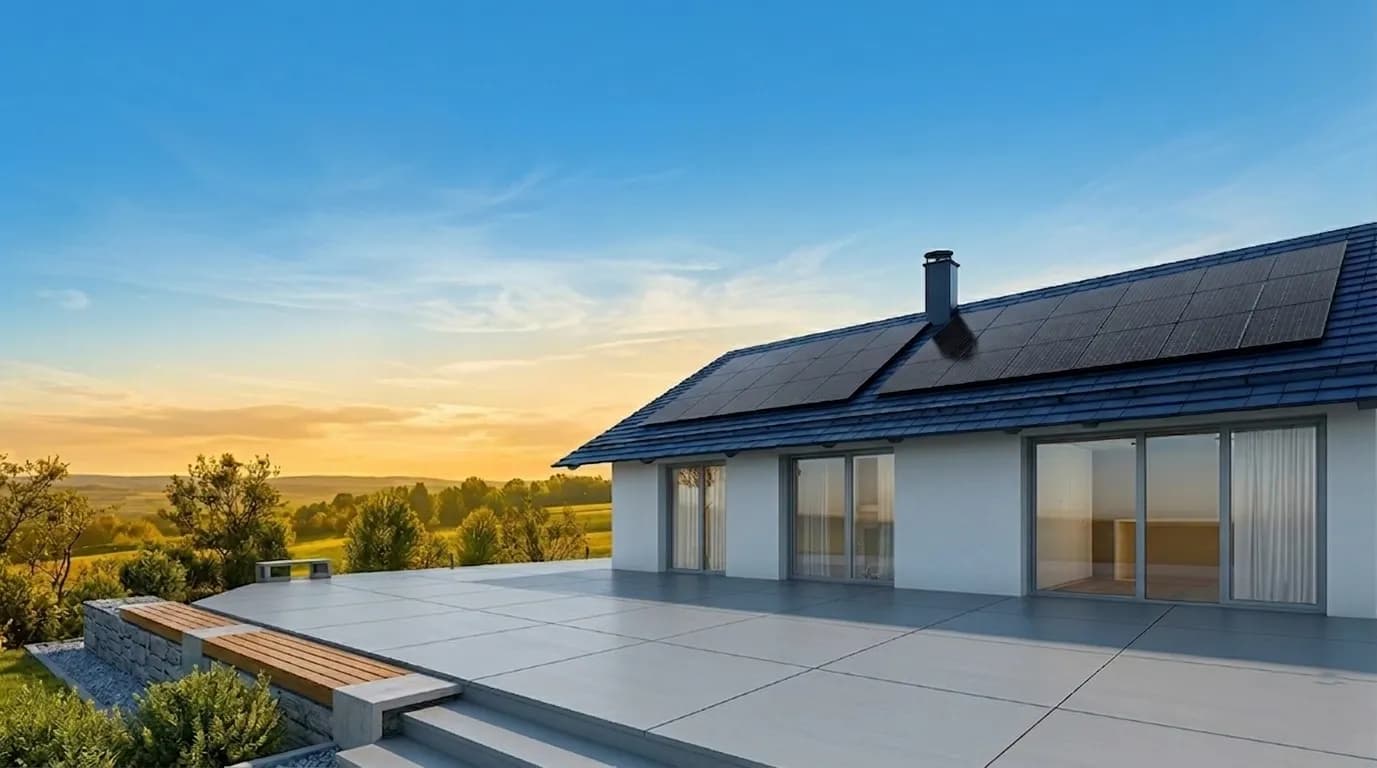
6.6kW Solar System

6.6kW Solar System in Australia
A 6.6kW solar system is the most commonly installed residential setup in Australia. It’s considered a safe and practical starting point for small to medium homes, offering reliable electricity savings without a high upfront cost. For first-time buyers, it strikes the right balance between affordability, performance, and long-term value.
Why Most Homeowners Start with a 6.6kW System

There’s a reason this system size dominates the market:
 It fits within most household budgets
- It suits average energy consumption levels
- It provides noticeable bill reduction without overcommitting
For many homeowners, a 6.6kW system is the entry point into solar; simple, proven, and effective.
What Does a 6.6kW System Actually Look Like?
A typical 6.6kW system includes:
(Depending on panel wattage)
Around 25–30 m² of roof space
A standard inverter setup
It’s compact enough for most homes while still generating meaningful energy throughout the day.
Will a 6.6kW System Cover Your Electricity Usage?
What it CAN cover
- Daytime appliance usage
- Basic household consumption
- A portion of total daily energy needs
What it may not cover
- High evening usage
- Large households with heavy demand
- Full energy independence
The key factor is when you use electricity; not just how much.
The Reality Most Installers Don't Explain
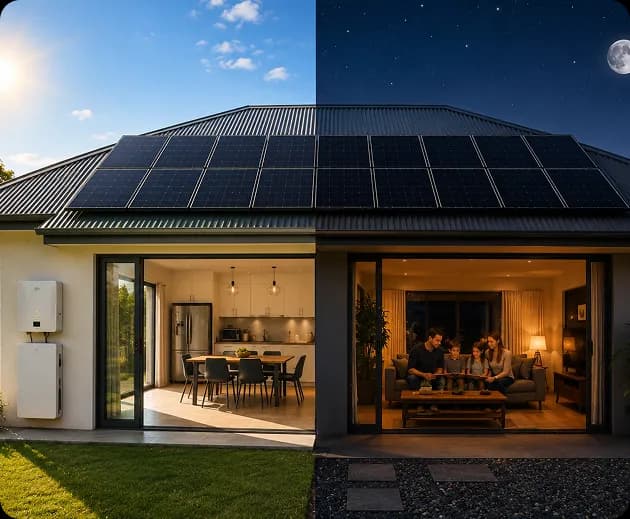
Solar panels generate energy during the day, but most homes use more electricity in the evening.
Feed-in tariffs for exported energy are relatively low, which means:
Solar saves more when you use it, not when you export it
This is one of the most important insights for first-time buyers.
How a 6.6kW System is Designed in Australia
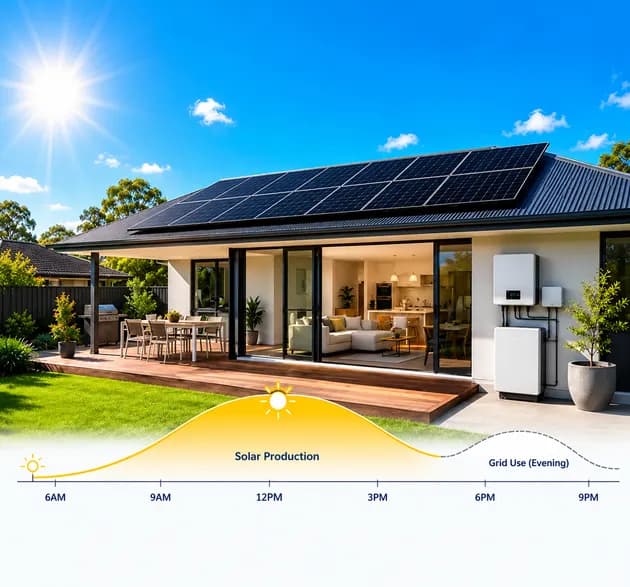
In Australia, a 6.6kW system is typically paired with a 5kW inverter.
This is normal and intentional.
- It allows panels to produce more energy during peak sunlight
- Improves system efficiency over the day
- Maximises output within grid limits
This setup ensures consistent performance without unnecessary system oversizing.
Factors Affecting Cost of a 6.6kW Solar System
The cost of a 6.6kW system depends on:
Panel Quality and Brand
Inverter Type
Installation Complexity
Roof Type and Layout
Location and Accessibility
While prices vary, the system remains one of the most cost-effective solar options available.
Should You Add a Battery to a 6.6kW System?
This depends on your lifestyle and energy usage.
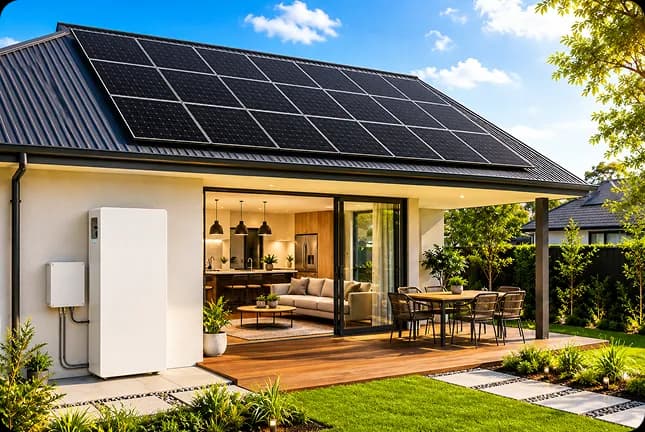
When a battery makes sense
- High evening electricity usage
- Desire for backup power
- Goal of reducing grid reliance
When it may not be necessary
- Most usage occurs during the day
- Lower electricity bills already
- Budget constraints
Government Support
The Cheaper Home Battery Program offers around 30% support, making batteries more accessible; but they are not essential for everyone.
Without Battery
With Battery
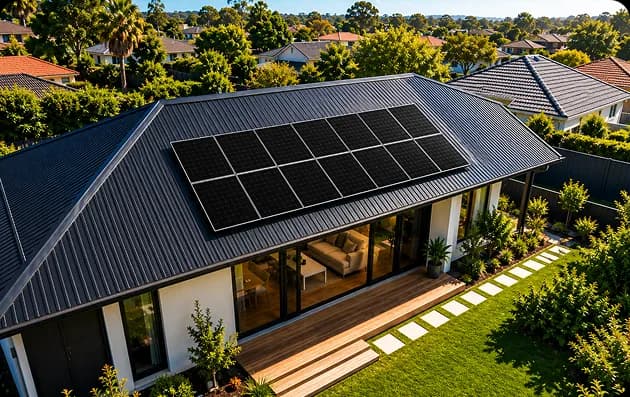
How Much Roof Space Do You Need?
A 6.6kW system typically requires:
- 25-30 m2 of roof space
- North, east, or west-facing roof for best performance
- Minimal shading from trees or nearby structures
For many homeowners, a 6.6kW system is the entry point into solar; simple, proven, and effective.
How Long Does It Take to Pay Off?
Most homeowners see:
Payback period
Ongoing savings after payback
System lifespan
Savings vary depending on usage habits, electricity rates, and system performance.
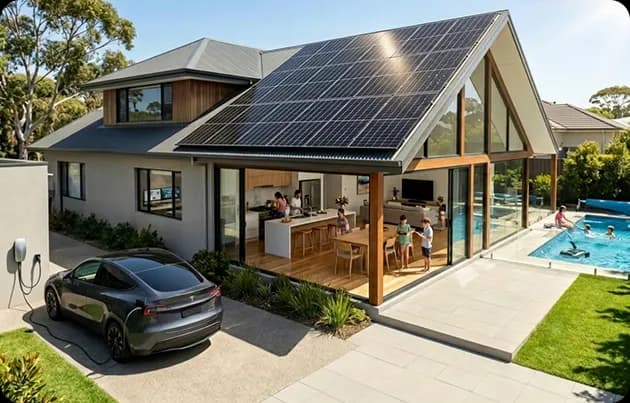
When 6.6kW Might NOT Be Enough
This is where many homeowners underestimate their needs.
A 6.6kW system may not be sufficient if you have:
Understanding this early helps avoid under-sizing your system.
Thinking Long-Term? Consider a Larger System
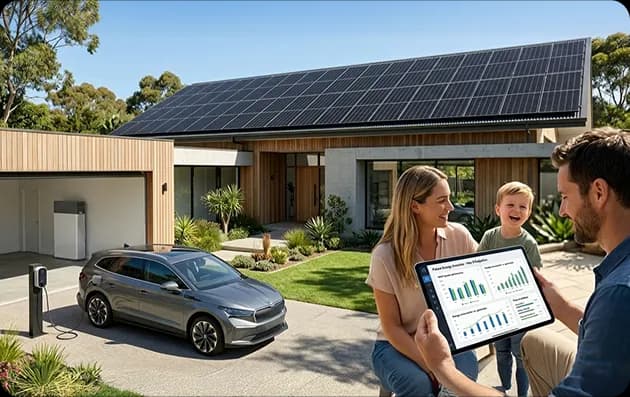
If your energy needs are expected to grow, a 10kW system may be worth considering.
- Better suited for larger households
- Supports future upgrades (EVs, batteries)
- Generates more usable energy
This isn't about upselling; it's about planning ahead.
Why Choose Solar Junction
Solar Junction focuses on practical, honest recommendations.
Systems designed based on your actual usage
No overselling or unnecessary upgrades
Experienced local team
Focus on long-term performance
Our approach is simple: recommend what works best for your home.
Frequently Asked Questions
Is a 6.6kW solar system enough for my home?
Why is a 6.6kW system paired with a 5kW inverter?
How much electricity does a 6.6kW system generate?
Can I use solar power at night?
Is it worth getting a battery with 6.6kW?
How much roof space is needed?
What is the payback period?
Should I get 10kW instead?
Start with a 6.6kW Solar System That Fits Your Home
Take the first step with a system that fits your home; not one that’s oversized or undersized.
- Get a personalised system recommendation
- Understand your expected savings
- Speak with an expert before making a decision