

Residential Solar
Residential Solar Systems in Australia
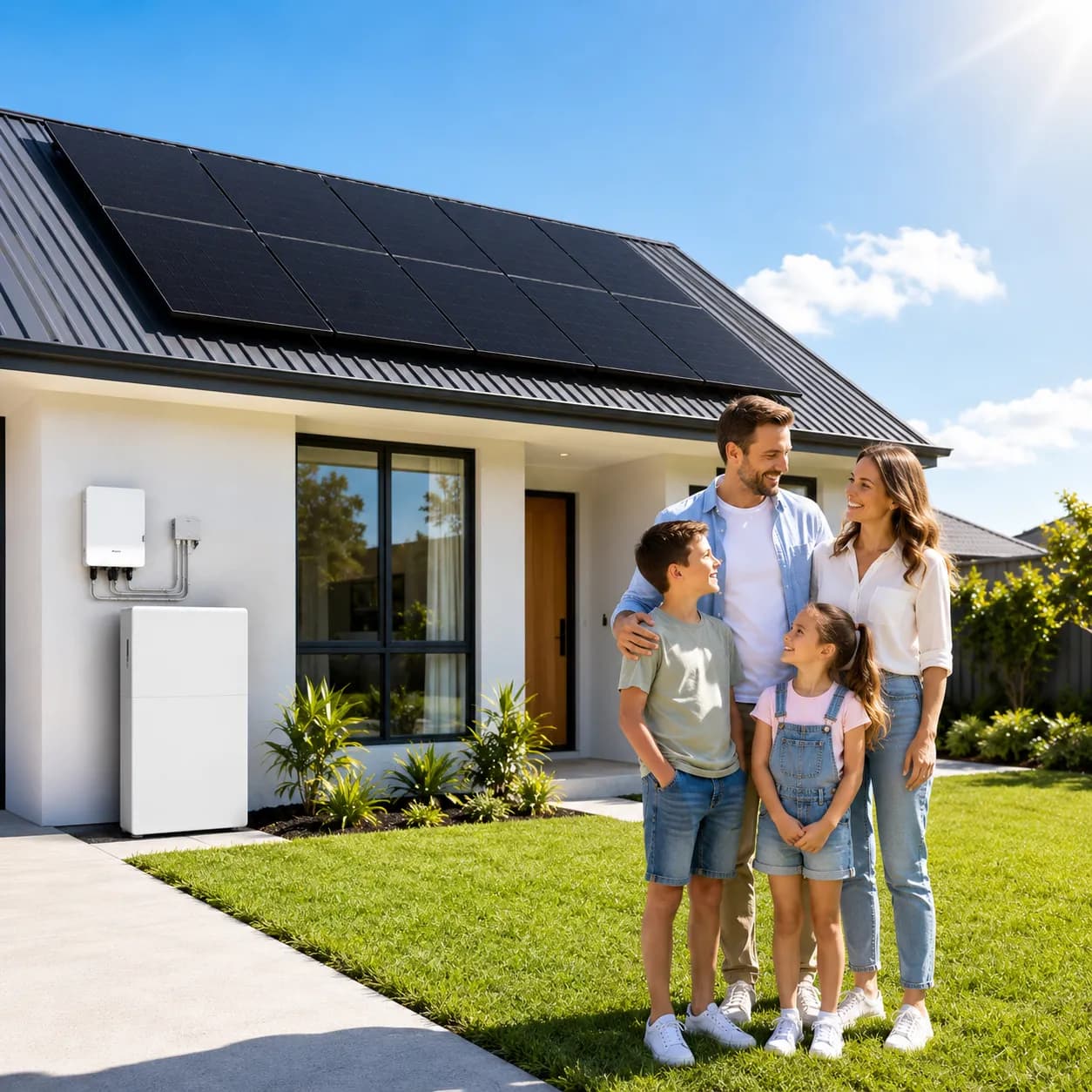
Electricity prices in Australia continue to rise, and more homeowners are turning to solar as a long-term solution. A residential solar system offers a practical way to reduce energy costs, improve energy independence, and future-proof your home. This page will help you understand solar system sizes, costs, savings potential, and whether adding a battery makes sense for your household.
What Is a Residential Solar System?
A residential solar system in Australia is a setup that allows your home to generate electricity from sunlight. During the day, it generates electricity that powers your appliances. Any excess energy can either be exported to the grid or stored in a battery for later use.
Components:


Why Australian Homeowners Are Switching to Solar

More households are adopting roof-top solar solutions because of clear, practical benefits:
 Reduce electricity bills by 40-80%
- Protect against rising energy prices
- Access government rebates like the STC incentive
- Increase property value
- Move toward sustainable, low-emission living
Solar is no longer just an environmental choice; it’s a financial one for homeowners.
Which Solar System Is Right for Your Home?
Selecting the right setup depends on your energy usage, location, and goals.
Grid-Connected Solar
Connected directly to the electricity grid. Sends excess power back for credits.
Hybrid Solar (Solar + Battery)
Includes a solar panel battery system to store excess energy for night use.
Off-Grid Solar
Fully independent from the grid. Requires substantial battery storage and backup generator.
Find the Right Solar System Size for Your Home
Selecting the right solar panel system for home depends on your energy usage and property setup.
| System Size | Suitable For | Daily Output |
|---|---|---|
| 6kW | Small Homes | ~24–27 kWh |
| 10kW | Average Homes | ~38–44 kWh |
| 13kW | High Usage Homes | ~50–55 kWh |
Key Factors to Consider


A well-designed residential solar system balances system size with actual usage.
Common Mistakes to Avoid
Some of the most common mistakes include:
1. Choosing system size based only on price: A cheaper system may not meet your energy needs.
2. Ignoring future energy changes: Adding appliances, electric vehicles, or growing family size can increase demand.
3. Not reviewing energy usage patterns: Timing of electricity use matters as much as total consumption.
4. Overlooking installation quality: Poor workmanship can impact performance and safety.
5. Focusing only on short-term savings: Long-term reliability should be a priority.
Avoiding these mistakes ensures your system performs efficiently over its full lifespan.
Should You Add a Solar Battery System to Your Home?
Adding a solar battery system is becoming more common, but it depends on your energy habits.

Benefits of Solar Battery
 Store excess solar energy
- Use solar power at night
- Provide backup during outages
When Battery Makes Sense
- High evening energy usage
- High electricity tariffs
- Goal of energy independence
Why 14kWh & 28kWh Batteries Are Popular
After the 1 May 2026 changes to the Cheaper Home Battery Program, incentives are more aligned with practical battery sizesrather than oversized systems.
Standard Households
Perfectly suits average household consumption.
Large Homes
Ideal for larger, high-consumption homes.
This approach prioritises practical energy storage needs.
Protect Your Solar Investment with Regular Maintenance
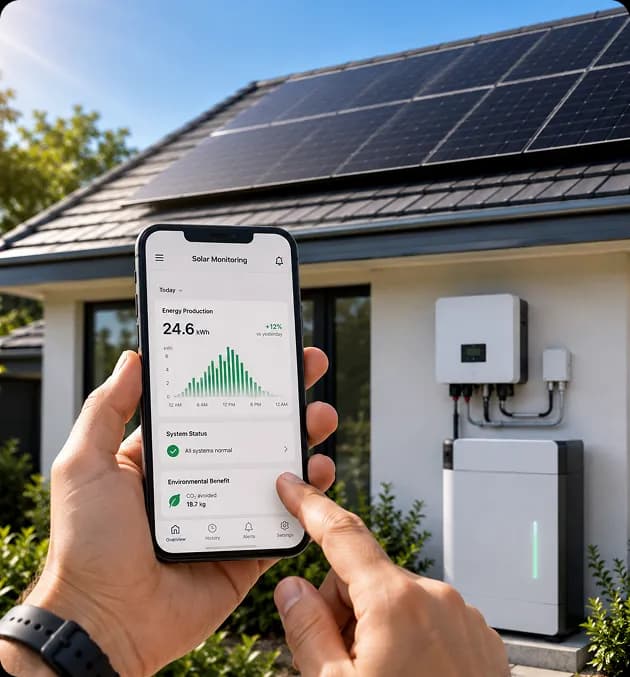
Once installed, ongoing performance depends on simple monitoring and occasional maintenance.
What Monitoring Does:
Most systems include apps or portals that allow you to:
- Track daily energy generation
- Identify performance drops
- Compare expected vs actual output
Basic Maintenance Tips:
- Keep panels clean from dust and debris
- Schedule periodic inspections
- Check for shading changes (trees, structures)
- Ensure inverter alerts are addressed promptly
Well-maintained systems operate more efficiently and help detect issues early, preventing long-term performance loss.
Key Factors Affecting Residential Solar System Costs
System size (kW capacity)
Panel & inverter quality
Installation complexity (roof type, wiring)
Location and accessibility

Government Solar Rebates & Incentives in Australia
The Australian government supports solar adoption through programs like the STC incentive (Small-scale Technology Certificates).
This reduces the upfront cost of installing a solar panel system for home, making solar more accessible for households across the country.
How Much Can You Save with Solar?
A typical residential solar system in Australia can deliver significant savings:
Annual Savings
Payback Period
System Lifespan
Savings depend on system size, energy usage, and electricity rates. A properly sized solar panel system for home ensures maximum return.
Solar vs Traditional Electricity: What's the Difference?
| Factor | With Solar | Without Solar |
|---|---|---|
| Electricity Bills | Reduced Significantly | Increasing Annually |
| Energy Control | High | Low |
| Property Value | Higher | Standard |
| Environmental Impact | Lower Emissions | Higher Emissions |
Installation Process: What to Expect
Site Assessment
Evaluate roof and energy usage
System Design
Customise system size and layout
Installation
Panels and inverter setup
Grid Connection
Approval and activation
Monitoring Setup
Track system performance

Why Choose Solar Junction for Household Solar Solutions
Solar Junction delivers reliable home solar solutions tailored for Australian households:
- NETCC approved solar retailer
- Premium-quality panels and inverters
- Nationwide support and service
- Systems designed for long-term performance
Our focus is on delivering a residential solar system that matches your energy needs; not just selling equipment.
Frequently Asked Questions
What size residential solar system do I need in Australia?
How long does a solar system last?
Can I add a battery later to my solar system?
Does solar work during cloudy weather?
Is rooftop solar worth it in Australia?
How do I maintain my solar system?
Get a FREE Quote for Your Home Solar System
Take the first step toward a smarter residential solar system designed specifically for your home.
- Free system assessment
- No obligation quote
- Custom recommendations based on your usage