

Solar Installation in Australia: A Complete Guide for Homeowners
Solar Installation in Australia: A Complete Guide for Homeowners
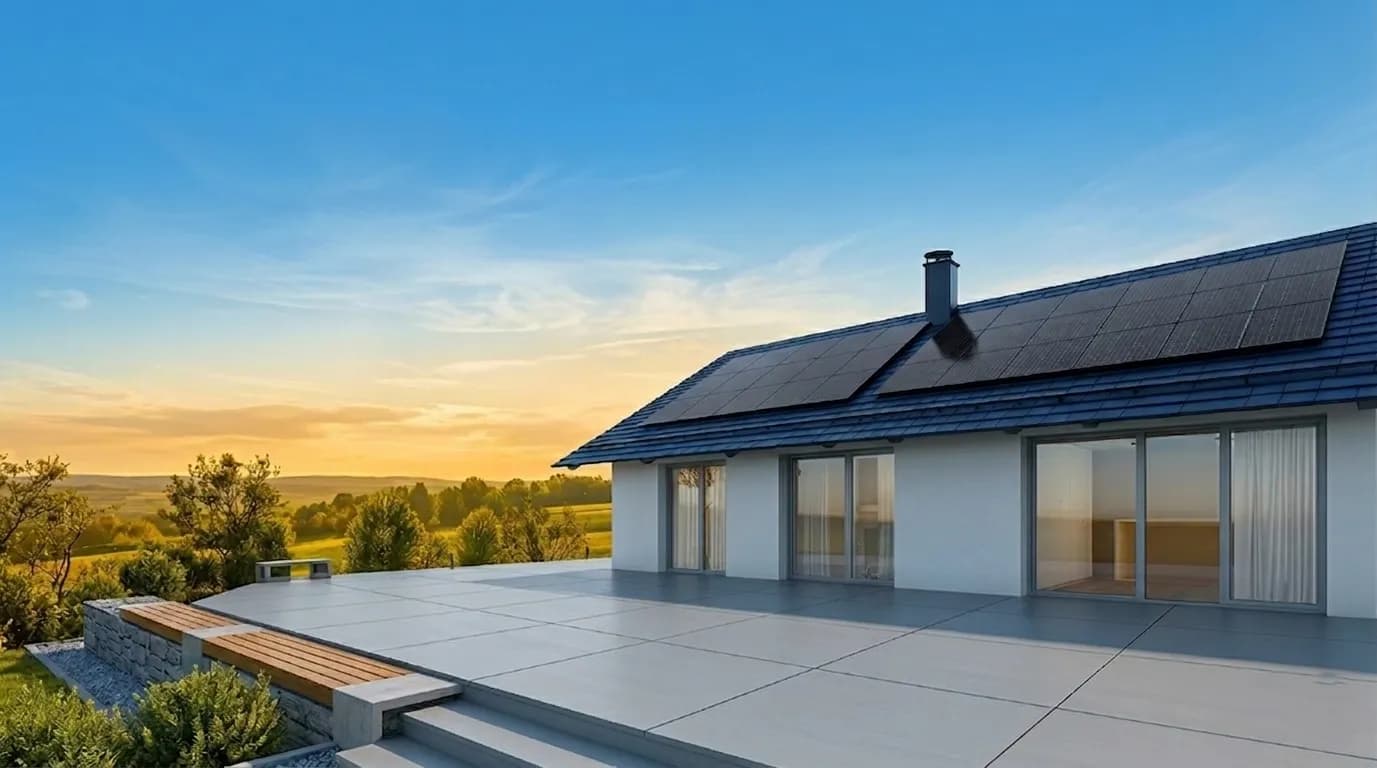
Solar installation is the process of setting up a rooftop system that generates electricity from sunlight for your home. For Australian homeowners, it's one of the most practical ways to reduce electricity bills, improve energy control, and benefit from government rebates like the STC incentive.
If you're considering solar, this guide explains how solar setup works, what it costs, how to choose the right system size, and whether adding a battery makes sense.
Why More Australian Homeowners Are Installing Solar

Across Australia, more households are investing in solar setup for a few clear reasons:
 Electricity prices continue to rise
- Government-backed solar incentives reduce upfront costs
- Long-term savings over 20 years
- Greater control over energy usage
Solar is no longer just an upgrade — it's becoming a standard for modern homes.
What Is Included in a Solar Installation Service
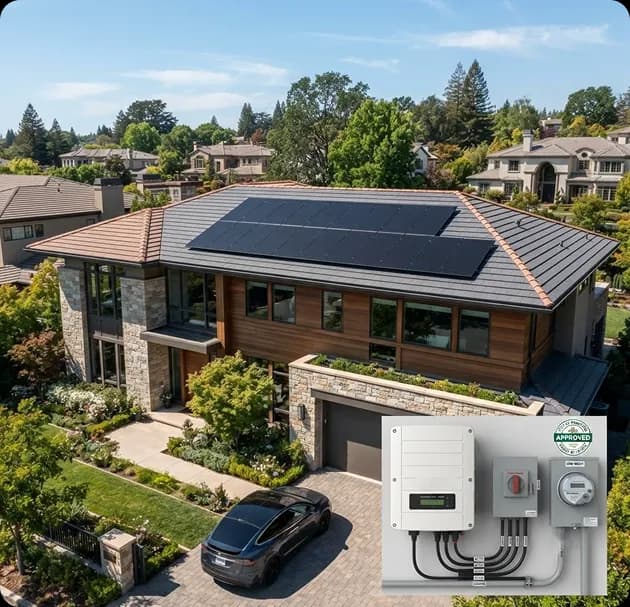
A complete solar system installation for home includes more than just panels.
Home Solar Setup Services Typically Include:
- Solar panels (capture sunlight)
- Inverter (converts energy for home use)
- Mounting system (secures panels to roof)
- System design tailored to your home
- Electrical wiring and safety setup
- Grid connection and approvals
A professional solar setup ensures all components work together safely and efficiently.
Solar Setup Process (Step-by-Step)
Understanding the solar setup process in Australia helps set expectations:
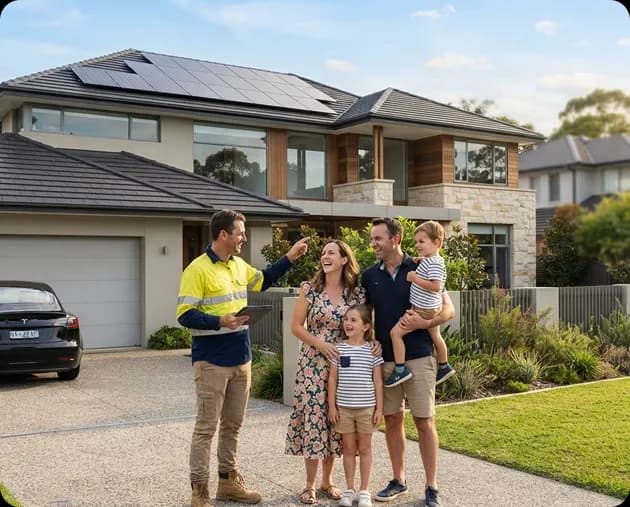
Site Inspection
Roof condition, direction, and energy usage are assessed
System Design
A tailored system is created based on your needs
Quote & Approval
Pricing includes STC incentive reductions
Installation Day
Panels and inverter are installed (usually 1 day)
Grid Connection
Approval from your energy provider
Activation
System goes live and starts generating electricity
A smooth solar installation process typically takes 2–4 weeks including approvals.
Cost Affecting Factors of Solar Setup in Australia
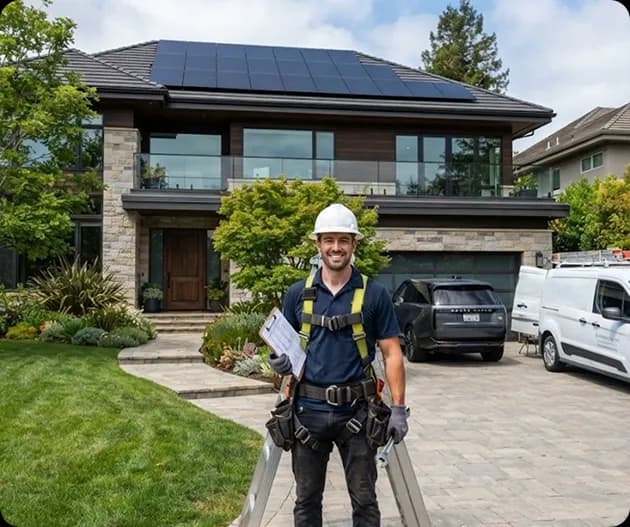
The solar setup cost in Australia varies depending on several factors:
Key Cost Drivers:
- System size (kW capacity)
- Panel and inverter quality
- Roof type and installation complexity
- Location and labour
The STC incentive significantly reduces upfront costs, making solar setup more accessible.
Choosing the Right Solar System Size
Choosing the right size is one of the most important decisions in any solar setup.
6.6kW
Small homes, low energy usage
10kW
Average households
13kW
Large homes or high consumption
6.6kW vs 10kW vs 13kW Solar System (Comparison Table)
| Feature | 6.6kW | 10kW | 13kW |
|---|---|---|---|
| Daily Output | ~24–27 kWh | ~38–44 kWh | ~50–55 kWh |
| Suitable For | Small homes | Average homes | Large homes |
| Cost | Lower | Medium | Higher |
| Savings Potential | Moderate | High | Very High |
The right solar system installation for home depends on your usage, not just roof size.
How to Choose the Right Solar Installer
Choosing the right installer matters as much as choosing the system.
What to Look For:
- CEC accredited solar installer
- Proven experience and track record
- Clear warranty terms
- Quality components
Avoid This Mistake:
Don't choose based on price alone. The cheapest option often leads to poor installation quality.
Working with one of the best solar installers in Australia ensures long-term performance and safety.

Solar Installation Timeline – What to Expect
A typical solar setup timeline includes:
Approvals and Paperwork
Physical Installation
Grid connection and activation
Most homeowners are fully operational within 3–4 weeks.
Is Your Home Suitable for Solar Setup?

Not every roof is the same, and a successful solar setup starts with understanding your home's suitability.
Key Factors That Determine Suitability:
- Roof direction & tilt: North-facing roofs in Australia perform best, but east and west also work well
- Shading: Trees, buildings, or obstructions can reduce system output
- Roof condition: A roof in poor condition may need repairs before installation
- Available space: Larger systems require more roof area
A proper site inspection ensures your solar system installation for home is designed for maximum performance, not just installed for the sake of it.
Battery Options – Should You Add One?
Adding a battery is becoming more common with solar battery installation in Australia.
Benefits of Battery Storage:
- Store excess energy
- Use solar power at night
- Reduce grid reliance
When It Makes Sense:
- High evening energy usage
- High electricity rates
- Desire for energy independence
A battery is not required initially — many homeowners add one later.
What Happens After Installation
Once your solar setup is complete:
Solar System Maintenance:
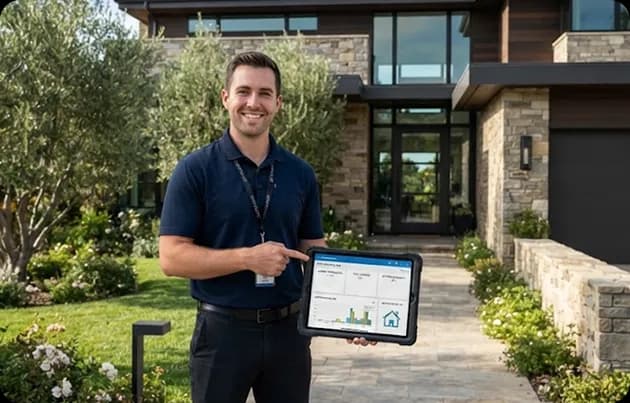
- Monitor performance via app
- Occasional cleaning
- Periodic inspection
Solar systems are low-maintenance and designed to last 20–25 years.
How Solar Setup Impacts Your Electricity Bills
One of the main reasons homeowners choose solar setup is to reduce their reliance on grid electricity.
How Savings Actually Work:
- During the day, your system powers your home directly
- Excess energy is exported to the grid
- At night, you draw power from the grid or a battery

Typical Bill Reduction Breakdown:
| Usage Pattern | Expected Impact |
|---|---|
| Daytime usage | Highest savings |
| Mixed usage | Moderate savings |
| Night-heavy usage | Lower savings (unless battery added) |
A well-sized solar setup can significantly reduce electricity bills, but the level of savings depends on how your household uses energy, not just system size.
What Happens If Your Solar System Underperforms?

A common concern before any solar installation is: what if the system doesn't perform as expected?
What Influences Performance:
- Weather conditions (cloudy vs sunny days)
- Seasonal variations
- Shading or roof orientation
- System size vs actual energy usage
How Performance Is Managed:
Modern systems include monitoring apps that show real-time generation and usage. This allows homeowners to track performance and quickly identify any issues.
What to Expect Realistically
Common Mistakes to Avoid When Choosing a Solar Battery
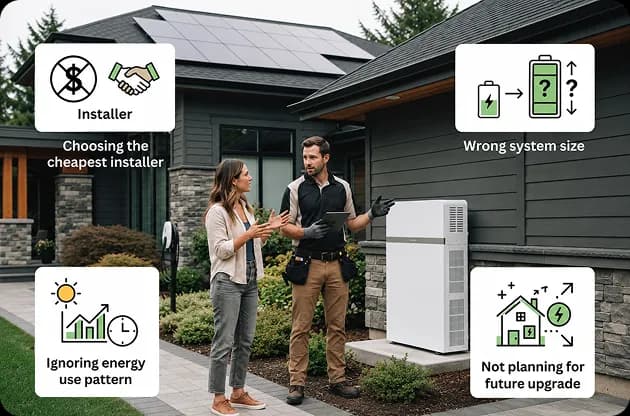
Many homeowners rush into battery decisions based on size or price alone. That often leads to underperformance or unnecessary costs.
Avoid these common errors when planning your solar setup:
- Choosing the cheapest installer
- Selecting the wrong system size
- Ignoring energy usage patterns
- Not planning for future battery upgrades
A well-planned system delivers better long-term results.
Why Choose Solar Junction
Solar Junction delivers reliable residential solar setup solutions:
Local expertise across Australian conditions
Custom system design based on your usage
Premium panels and inverters
End-to-end service from design to activation
We focus on delivering a solar setup that works for your home, not a one-size-fits-all solution.
Frequently Asked Questions
What incentives are available for solar setup?
How long does solar installation take?
Do I need approval before installing solar?
How do I choose the best solar installer?
Can I add a battery later?
What size solar system do I need?
How long does it take to recover the cost?
Get a Free Quote for Solar Setup
Thinking about installing solar?
- Free system assessment
- No obligation quote
- Custom recommendation for your home
Take the next step toward a smarter, more efficient solar setup designed around your needs.