


With the rising costs of electricity and increasing awareness of environmental sustainability, installing a solar system has become an appealing option for Australian homeowners and businesses.
However, choosing the right solar system can be a complex task, especially with various solar packages, rebates, and technical details to consider.
This step-by-step solar system guide is designed to simplify the process, helping you make an informed decision on the best solar system for your needs.
Understand Your Energy Requirements
Before diving into the specifics of solar panel packages or browsing affordable solar solutions, it's important to assess your current energy consumption.
By understanding how much energy your household or business consumes on a monthly and yearly basis, you can determine the size and type of solar system you'll need.
How to Calculate Your Energy Usage:
- Review your electricity bills to find your average monthly usage, usually measured in kilowatt-hours (kWh).
- Think about any potential changes in your energy use, such as adding new appliances, or if your household is likely to grow.
- A general rule of thumb is that a typical household in Australia uses between 15-25 kWh per day.
Once you have a good understanding of your energy needs, you'll be better equipped to choose the appropriate solar solutions.
Research Different Solar Panel Solutions
Not all solar systems are created equal. There are various solar panel packages available in Australia, offering different levels of efficiency, durability, and output. It's essential to familiarize yourself with these options to choose the best fit for your home or business.
Types of Solar Panels
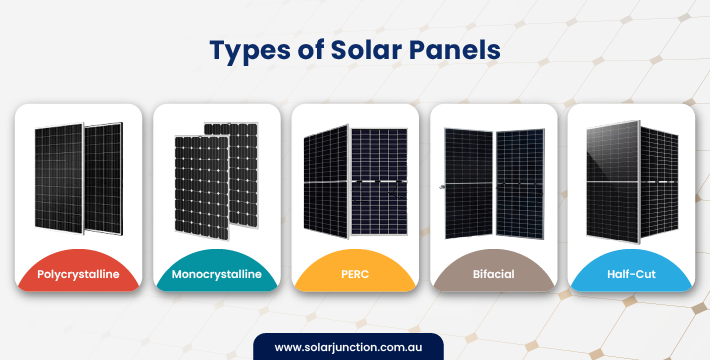
When choosing a solar panel, it’s crucial to understand the different types available. Each type offers specific benefits based on your energy needs, roof space, and budget.
1. Polycrystalline Solar Panels
Affordable but Less Efficient: Polycrystalline panels are slightly less efficient compared to monocrystalline but offer a more budget-friendly option. While the technology is somewhat outdated, it remains a popular choice for those looking for cost-effective solutions.
2. Monocrystalline Solar Panels
- High Efficiency and Sleek Design: Monocrystalline panels are known for their superior efficiency, often reaching the highest levels compared to other types. Their sleek, black appearance also makes them a popular choice for homes.
- PERC (Passivated Emitter and Rear Contact) Panels: These are an advanced form of monocrystalline panels designed to increase efficiency by reflecting light back into the cell, allowing for more energy absorption.
- Bifacial Panels: These panels can capture sunlight from both sides, increasing their energy output. They are ideal for ground-mounted systems or installations with reflective surfaces.
- Half-Cut Panels: These panels are designed by cutting solar cells in half, reducing electrical resistance and improving efficiency and durability. Half-cut technology also allows panels to produce power more effectively even in shaded conditions.
Types
Solar Inverters
The solar inverter is a crucial component of any solar system. It converts the direct current (DC) energy produced by your solar panels into alternating current (AC), which can be used in your home.
Choosing the right inverter size is essential to the efficiency, reliability, and future expansion of your solar system.
Inverter Sizing Guidelines:
- 6.6kW System Requires a 5kW Inverter: Ideal for small to medium homes, this inverter size ensures the system runs efficiently, optimizing energy output without overloading. It also allows the system to handle potential future panel additions.
- 10kW System Requires an 8kW Inverter: For medium-sized homes or small businesses, an 8kW inverter matches the power needs while offering efficiency and reliability. It balances the system’s capacity with room for slight overproduction.
- 13kW System Requires a 10kW Inverter: A 13kW system is large enough to power a large home or small business. A 10kW inverter ensures that the system operates efficiently, even during peak sunlight hours. This allows for energy expansion if more panels are added in the future.
Why Correct Inverter Sizing Matters:
- Efficiency: The right inverter size ensures that your solar system operates efficiently. Oversized or undersized inverters can reduce the system's overall performance, leading to energy loss.
- Future Expansion: A properly sized inverter allows for future system expansion without needing to replace the inverter. For instance, if you add more panels later, a well-sized inverter can accommodate the increased capacity without requiring costly upgrades.
- Reliability and Longevity: Inverters that are too small may wear out faster as they are pushed beyond their limits.
Similarly, oversized inverters may not operate efficiently at lower loads. A correctly sized inverter ensures the solar system works optimally, reducing strain on components and increasing system longevity.
Take Advantage of Rebates
In Australia, both federal and state governments offer solar reimbursements to incentivize the adoption of solar energy. These rebates can significantly reduce the overall cost of installing a solar system, making it easier for homeowners and businesses to transition to renewable energy.
- Small-scale Technology Certificates (STCs): This federal incentive rewards solar system owners for the clean energy they generate. The number of certificates issued depends on the size of the system and its location.
- State Rebates: Several states, including Victoria and South Australia, offer additional solar reimbursements or interest-free loans to further reduce costs.
By combining solar rebates with an affordable solar solution, you can dramatically lower your initial investment while enjoying ongoing savings on your electricity bills. Make sure to research the eligibility criteria for solar repayments in your area to maximize your financial benefit.
Consider Solar System Add-ons: Batteries
To maximize your energy independence, you might want to consider solar battery storage with solar integration. These add-ons can enhance your system's functionality, allowing you to store excess energy or charge your electric vehicle using clean solar power.
- Solar Battery Storage: A solar system with battery storage allows you to store unused energy generated during the day, which you can use during the night or in case of a grid outage.
This reduces reliance on the grid and increases your energy independence. While a solar system guide may initially focus on panel options, adding a battery can provide long-term savings and energy security.
Get Multiple Quotes and Compare Installers
Once you have a good idea of the type of solar system you need, it's time to start getting quotes from different installers.
Be sure to compare the details of each offer, including the components, warranties, and pricing. Choosing the right installer is just as important as choosing the right system.
What to Look for in a Solar Installer:
- Licensing and accreditation (Solar Accreditation Australia (SAA) is a must in Australia).
- Reputation and reviews from previous clients.
- Transparent pricing and clear contract terms.
The best solar solutions come from reputable companies that offer excellent customer service and support.
Finalize Your Decision and Install
After reviewing all the details, select the solar system that best fits your budget and energy needs. The installation process typically takes one to two days, depending on the size of the system.
A reputable installer will handle all the necessary paperwork, including applications for solar rebates and grid connection.
Once installed, your solar system will start generating clean, renewable energy right away, and you'll begin to see savings on your electricity bills.
Conclusion
Choosing a solar system in Australia doesn't have to be overwhelming. By following this step-by-step solar system guide, you can make an informed decision and choose from the many solar panel solutions available.
Whether you're looking for affordable solar packages, solar system with battery storage, or ways to take advantage of solar reimbursements, Solar Junction can help guide you through the process. Start your solar journey today and enjoy the benefits of clean energy for years to come.