
With the rising popularity of renewable energy, more homeowners are considering residential solar installation to reduce energy costs and lower their carbon footprint. However, installation of solar panels at home requires careful planning and understanding of various factors, from initial setup to long-term maintenance.
This guide provides a comprehensive overview of solar system installation for residential properties, outlining everything you need to know to make an informed decision.
Why Choose Residential Solar System Installation?
The benefits of installing solar panels go beyond reducing your electricity bills. Here's why solar is a smart choice for homeowners:
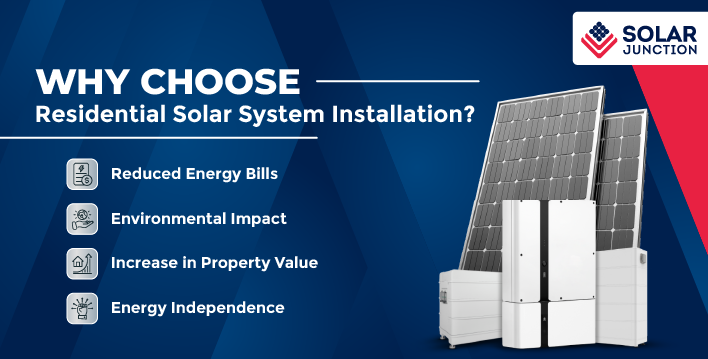
- Reduced Energy Bills: Solar panels allow you to generate your own electricity, potentially reducing your monthly bills to a fraction of what you pay now. In some cases, homeowners can even eliminate their electricity bills.
- Environmental Impact: Solar energy is clean and renewable, significantly reducing your carbon footprint. By switching to solar, you contribute to a more sustainable future.
- Increase in Property Value: Homes with solar installations are often valued higher than non-solar homes, making it a wise long-term investment.
- Energy Independence: Installing a residential solar system provides energy independence, protecting you from rising electricity costs and allowing you to generate power even during grid outages.
Understanding Solar Panel System Components
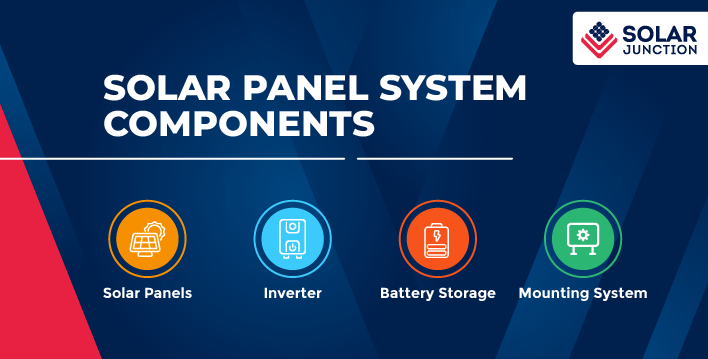
A typical solar system installation includes several essential components:
- Solar Panels: These capture sunlight and convert it into direct current (DC) electricity.
- Inverter: This device converts DC electricity from the panels into alternating current (AC), which can be used to power your home. It is the mirror of the Solar System.
- Battery Storage (Optional): Many homeowners choose to add battery storage, allowing them to store excess energy for use at night or during power outages.
- Mounting System: This secures the panels to your roof or ground, ensuring stability and optimal positioning for sunlight exposure.
Understanding these components helps you see how each part of your residential solar system installation contributes to an efficient and effective system.
Assessing Your Home's Solar Potential
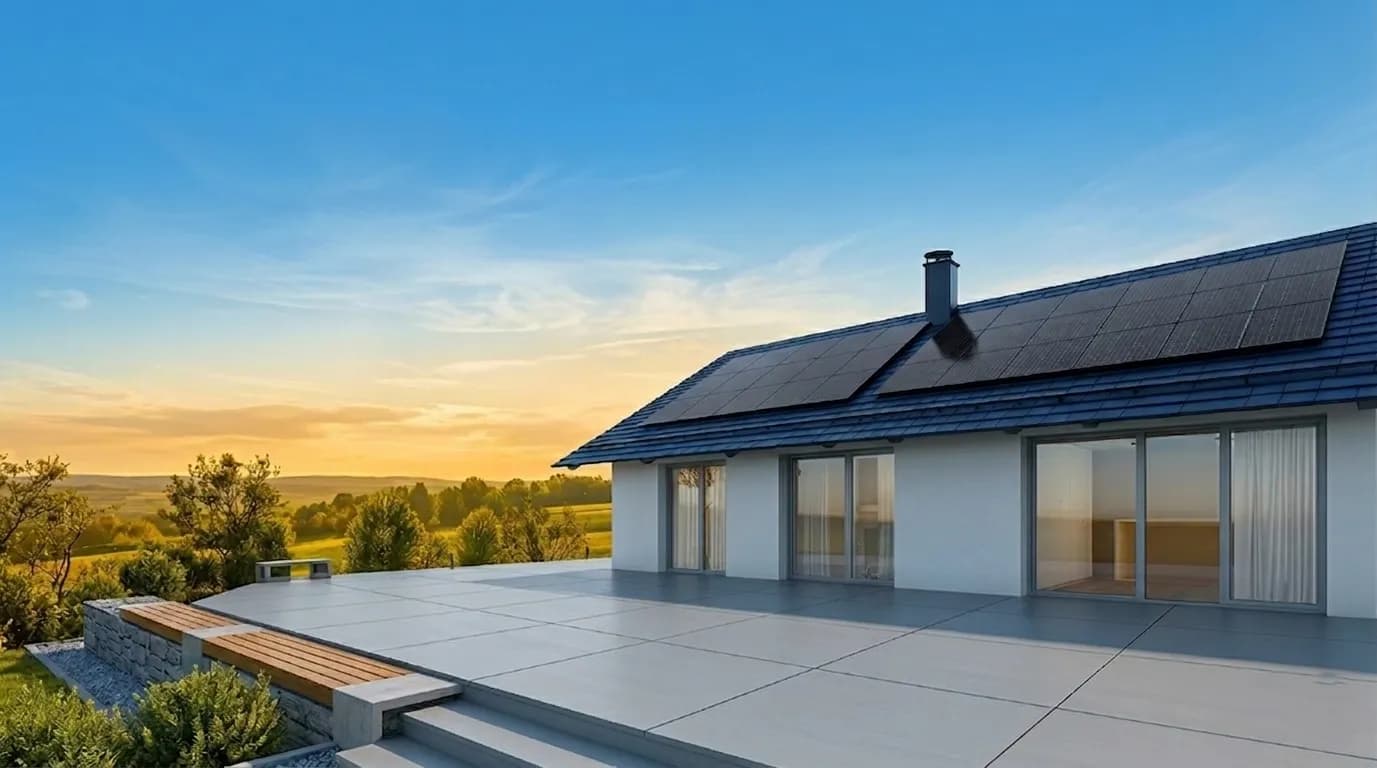
Before installing solar panels, it's crucial to evaluate your home's solar potential. Not every roof or property is ideal for solar installation, and factors such as roof orientation, shading, and available space all affect how much energy your system can produce.
- Roof Condition: If your roof is old or damaged, it may need repairs or replacement before installation. Solar panels can last 25-30 years, so ensure your roof is in good condition.
- Roof Orientation: North-facing roofs are ideal in most regions, but east and west orientations can also work. South - facing roofs are generally less efficient for solar installations.
- Shading: Trees, chimneys, or nearby buildings that cast shadows on your roof can reduce energy production. Consider trimming trees or choosing a roof area with minimal shading.
A professional solar panel system installation / retailer company can assess these factors and help determine the best setup for maximum efficiency.
Choosing the Right System Size
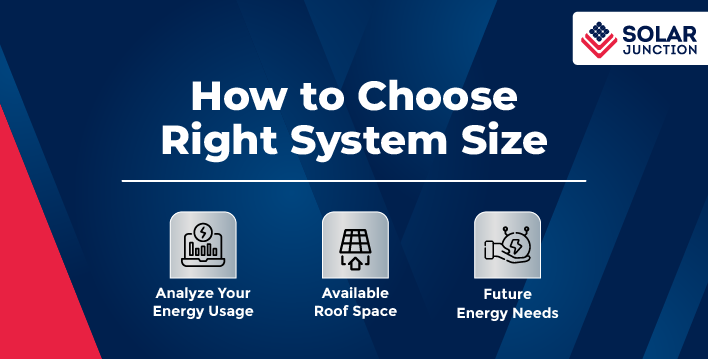
The size of your solar system depends on your energy needs, roof space, and budget. Here's how to determine the ideal size:
- Analyze Your Energy Usage: Review your electricity bills to estimate your monthly and annual energy consumption. This gives you an idea of how much power your system should generate.
- Available Roof Space: Larger systems need more roof space. Ensure you have enough space for the number of panels required to meet your energy needs.
- Future Energy Needs: Consider any potential increase in energy usage, such as adding new appliances, electric vehicles, or a growing family.
Most residential solar installation companies offer system sizes ranging from 6.6 kW to 13.2 kW for homes. Solar Junction can also recommend a system size that aligns with your current and future energy demands.
The Installation Process: What to Expect
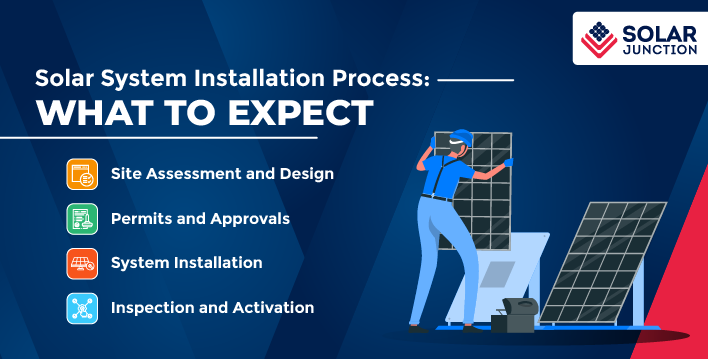
Once you've decided to install solar panels at home, the process typically follows these steps:
- Site Assessment and Design: A technician will assess your property and create a custom design that maximizes energy production. This design considers roof orientation, shading, and aesthetics.
- Permits and Approvals: In order to install a Solar System, you'll need permits for solar system installation. Your Solar Retailer usually handles the paperwork, coordinating with local authorities and utility providers.
- System Installation: The solar system installation is done in a day usually, of course depending on the size of the solar system and the complications and technicalities involved.
Technicians will mount the panels, connect wiring, and install the inverter. If you're adding battery storage, this will also be integrated. - Inspection and Activation: After installation, a final inspection ensures the system meets safety and quality standards. Once approved, your system will be activated, and you'll start generating solar power for your home.
Solar Incentives and Financing Options
- One of the biggest advantages of residential solar installation is the availability of incentives that can lower upfront costs.
- Federal Tax Credits: Australia offer federal tax credits that cover a percentage of the installation cost.
- State Rebates: Some states provide additional rebates or incentives to encourage solar adoption, further reducing costs.
- Financing Options: Homeowners can choose from various financing options making it easier to afford the installation.
Research the incentives available in your region to maximize savings on your solar investment.
Maintaining Your Solar Panel System
A solar panel system installation is a long-term investment, and regular maintenance ensures it continues to operate efficiently. Thankfully, solar systems are generally low-maintenance, but there are some steps you can take to keep them running optimally:
- Routine Cleaning: Dust, debris, and bird droppings can accumulate on panels, reducing efficiency. Regular cleaning of the solar panels by a professional is highly recommended.
- System Monitoring: All solar systems come with monitoring apps, allowing you to track energy production and detect issues.
By performing routine maintenance, you can extend the lifespan of your system and maintain high energy output levels.

Conclusion
Choosing to install solar panels at home is a significant and a rewarding decision. From evaluating your roof's suitability to selecting the right system size, understanding the essentials of residential solar installation can help you make the best choice for your home.
A professionally managed solar system installation not only reduces your electricity bills but also contributes to a cleaner, greener planet.
With proper maintenance and the right setup, your solar system can serve your energy needs for decades, making it a sustainable investment in your home's future.