
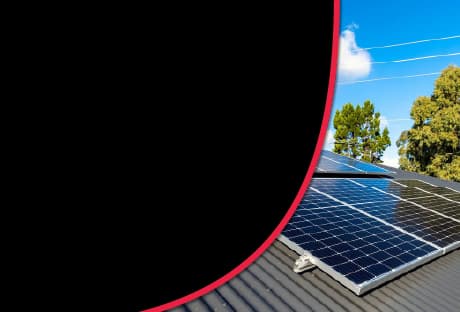
Solar panels are an excellent investment for homeowners looking to reduce energy costs and switch to renewable power. However, solar panels and shade don’t mix well. Even a small amount of shading can significantly impact solar solutions output, reducing the efficiency and effectiveness of your system.
Whether it’s trees shading solar panels, nearby buildings, or chimneys casting shadows, shading issues need to be addressed to maximize energy generation.
In this guide, we’ll explore the effects of shading, common solar panel shading solutions, and the best strategies to maintain optimal performance.
Understanding How Shading Affects Solar Solutions Output
Solar panel output is directly influenced by the amount of sunlight hitting the panels. Since solar panels work by converting sunlight into electricity, any obstruction reduces energy production.
Even minimal shading can cause a substantial drop in performance due to the way solar cells are wired.
How Shading Impacts Solar Performance
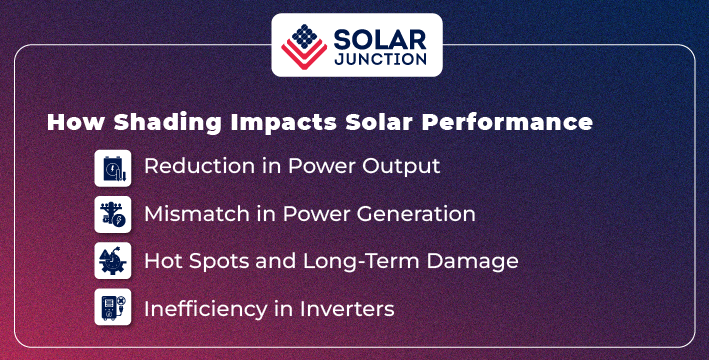
Reduction in Power Output
- A single shaded cell in a solar panel can limit the performance of the entire module, reducing overall energy production.
Mismatch in Power Generation
- Solar panels are connected in series, meaning shading on one panel can disrupt the efficiency of the entire string of panels. This results in disproportionate losses.
Hot Spots and Long-Term Damage
- Prolonged shading can lead to hot spots on the panel, causing overheating that may damage solar cells and shorten the system’s lifespan.
Inefficiency in Inverters
- If shading affects multiple panels, your inverter may struggle to optimize energy production, further decreasing efficiency.
Now that we understand the problem, let’s look at effective solar panel shading solutions that can help maintain optimal performance.
Best Practices for Installing Solar Panels in Shaded Spaces
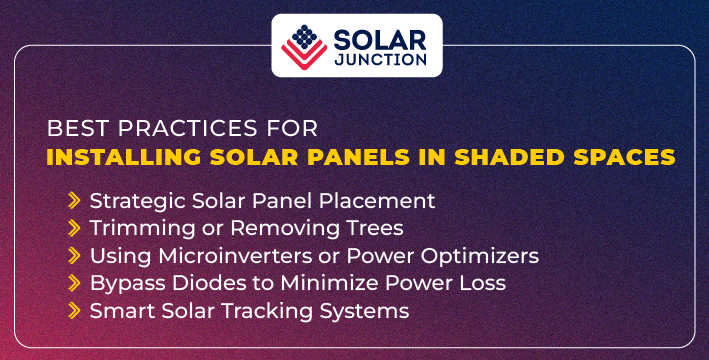
1. Strategic Solar Panel Placement
Before installation, a professional solar installer will analyze your property to determine the best placement for your panels. Ideally, solar panels should be positioned where they receive the most sunlight throughout the day.
- Roof Angle and Orientation: A well-angled installation minimizes shading from trees, chimneys, or other obstacles.
- Avoiding Morning and Evening Shade: Panels placed in areas that receive early morning or late evening shade will not perform optimally.
2. Trimming or Removing Trees
Trees shading solar panels is a common problem for many homeowners. While trees provide valuable shade and environmental benefits, they can significantly hinder solar efficiency.
- Trimming branches can reduce shading while maintaining tree health.
- Consider selective pruning to allow more sunlight to reach the panels.
- If needed, remove trees that are causing excessive shading.
3. Using Micro-inverters or Power Optimizers
Instead of using a single inverter for your entire system, microinverters and power optimizers allow each panel to operate independently. This technology prevents a shaded panel from affecting the performance of the entire system.
- Microinverters: Convert DC to AC power at the panel level, ensuring that shaded panels don’t impact the others.
- Power Optimizers: Attach to individual panels and adjust voltage levels, improving performance in partially shaded conditions.
4. Bypass Diodes to Minimize Power Loss
Most modern solar panels come with built-in bypass diodes that allow electricity to flow around shaded cells. This helps to minimize the impact of shading on the entire system.
- Bypass diodes prevent shaded panels from dragging down the performance of the entire string.
- They are especially useful when partial shading is unavoidable.
5. Smart Solar Tracking Systems
A solar tracking system moves your panels to follow the sun’s path throughout the day. While more expensive, tracking systems can increase solar panel output by up to 40% in optimal conditions.
- Single-axis trackers move panels from east to west.
- Dual-axis trackers adjust both horizontally and vertically for maximum sunlight exposure.
Best Solar Panels for Shaded Areas
Not all solar panels react the same way to shading. If your home has unavoidable shading issues, it’s crucial to invest in the best solar panels for shaded areas to minimize power losses.
One of the best solutions for shaded areas is Half-Cut Solar Cell technology. These panels are designed to reduce resistance and improve efficiency, even under partial shading.
Half-Cut vs. Full-Cell Solar Panels
- Half-cut solar panels have cells that are physically split into two halves, reducing electrical resistance and improving energy output.
- Full-cell panels have larger individual cells, which makes them more vulnerable to performance drops when shaded.
Since half-cut solar cells operate in independent sections, shading on one part of the panel doesn’t affect the entire module, making them a superior choice for areas with occasional shading.
Preventing Future Shading Issues
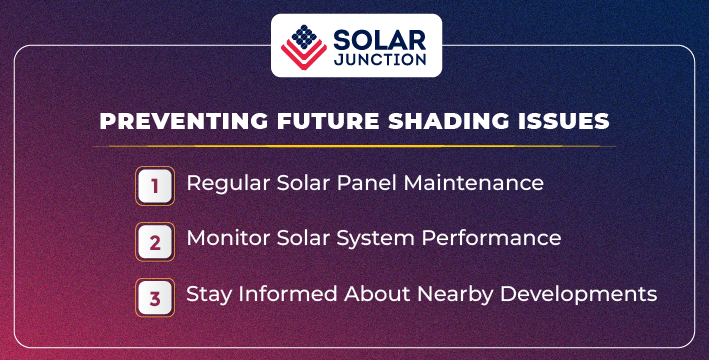
Even after installing your solar panels, shading problems can develop over time due to growing trees, new constructions, or seasonal changes. Here’s how you can prevent future shading issues:
1. Regular Solar Panel Maintenance
Routine maintenance can help detect and resolve shading problems early. Cleaning your panels and checking for obstructions ensures maximum energy production.
- Remove dirt, leaves, or debris that may block sunlight.
- Inspect for signs of bird droppings, which can reduce efficiency.
2. Monitor Solar System Performance
Many modern solar systems come with monitoring apps that allow you to track solar solutions output in real-time.
- If you notice a drop in performance, shading could be the issue.
- Work with your installer to identify the cause and find a solution.
3. Stay Informed About Nearby Developments
Be aware of potential construction projects or tree growth that could impact your solar panels and shade over time. Adjustments may be necessary to maintain peak performance.
Making an Informed Decision
Understanding how shading affects your solar panels is crucial to making the most of your investment. Whether you’re planning to install a new system or looking to optimize an existing one, working with professionals can help you select the best system design for your location.
If you want to learn more about solar panel technology, efficiency, and best practices, check out our Solar System Guide for a detailed breakdown of how to choose the best setup for your home.

Conclusion
Shading can significantly impact solar solutions output, but with the right solar panel shading solutions, you can maximize your system’s performance. Whether it’s trimming trees covering solar panels, installing microinverters, or choosing half-cut solar cells, there are multiple ways to overcome shading issues.
Investing in the best solar panels for shaded areas ensures that your system operates efficiently, even in less-than-ideal conditions.
By taking proactive measures, monitoring system performance, and keeping up with routine maintenance, you can protect your investment and continue enjoying the benefits of solar energy.
If you’re ready to optimize your solar system, contact Solar Junction today to explore shading-resistant solar solutions tailored to your needs!